


Don’t Panic! How to Handle Dental Emergencies for Kids




Don’t Panic! How to Handle Dental Emergencies for Kids
As a parent, there’s nothing quite like the sight of your child in pain to send your heart racing. Dental emergencies can be particularly stressful, but knowing how to react calmly and take the right steps can make a big difference. Here’s a guide to equip you with the knowledge and confidence to handle common dental emergencies for your little
As a parent, there’s nothing quite like the sight of your child in pain to send your heart racing. Dental emergencies can be particularly stressful, but knowing how to react calmly and take the right steps can make a big difference. Here’s a guide to equip you with the knowledge and confidence to handle common dental emergencies for your little ones:
Common dental emergencies for Kids
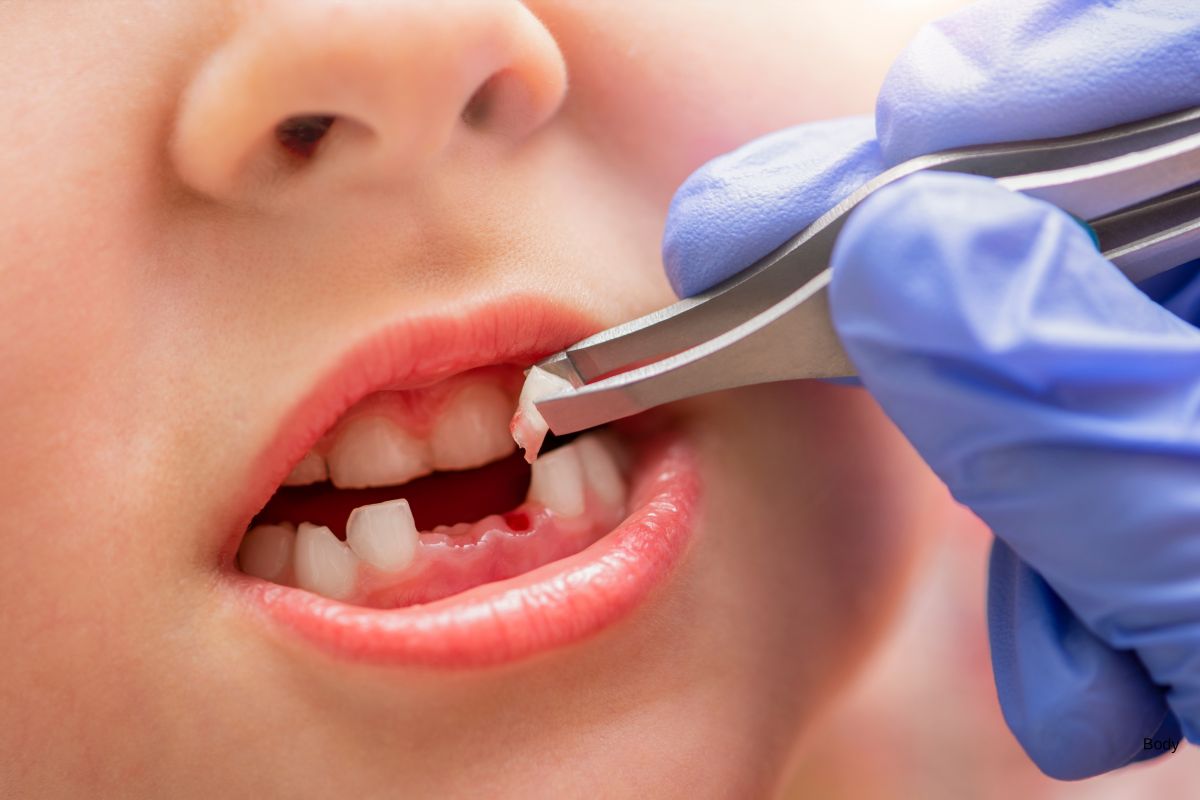
Knocked-Out Tooth:
- Stay Calm: This is crucial! Reassure your child and locate the tooth.
- Find the Tooth: Handle the tooth by the crown (the white part) only, avoiding touching the root.
- Rinse Gently (Optional): If the tooth is dirty, gently rinse it with milk or water. Do not use soap or scrub the tooth.
- Reimplantation (Time is Critical!): If possible, try to gently reinsert the tooth back into the socket. Hold it in place and have your child gently bite down on a gauze pad to stabilize it.
- Quick Action is Key: If reimplantation isn’t possible, store the tooth in milk (the best option) or your saliva and head to the dentist immediately. The faster you act, the greater the chance of saving the tooth.
Toothache:
- Comfort Your Child: Offer a cool compress on their cheek to reduce swelling and pain relievers suitable for their age (as recommended by your pediatrician).
- Schedule a Dental Appointment: Don’t wait! Early diagnosis and treatment of a toothache can prevent further complications.
Chipped or Cracked Tooth:
- Find the Piece (if Possible): If a piece of the tooth broke off, save it and bring it with you to the dentist.
- Reduce Pain: Apply a cold compress to the area to reduce swelling and manage discomfort with pain relievers (as recommended by your pediatrician).
- Dental Appointment Needed: A chipped or cracked tooth requires evaluation by a dentist to determine the best course of treatment.
Object Stuck Between Teeth:
- Flossing Gently: Try gently removing the object with floss. Do not use sharp objects or force the floss.
- See a Dentist: If you can’t remove the object safely with floss, schedule a dental appointment to have it removed professionally.
Bleeding Gums:
- Apply Gentle Pressure: Apply gentle pressure with a clean gauze pad to the bleeding area to control it.
- Warm Saltwater Rinse: After the bleeding stops, have your child rinse their mouth with warm saltwater to help soothe the gums.
- Dental Checkup Recommended: Bleeding gums can be a sign of underlying dental issues. Schedule a dental checkup to identify the cause and get proper treatment.
Remember:
- Time is critical in some dental emergencies, especially for knocked-out teeth. Act quickly and seek professional help as soon as possible.
- Keep your dentist’s emergency contact information readily available.
- Prevention is key! Regular dental checkups and good oral hygiene habits can help prevent many dental emergencies.
By staying informed and prepared, you can effectively handle dental emergencies for your child and ensure they maintain a healthy, happy smile.