



What to Do If Your Child Knocks Out a Tooth



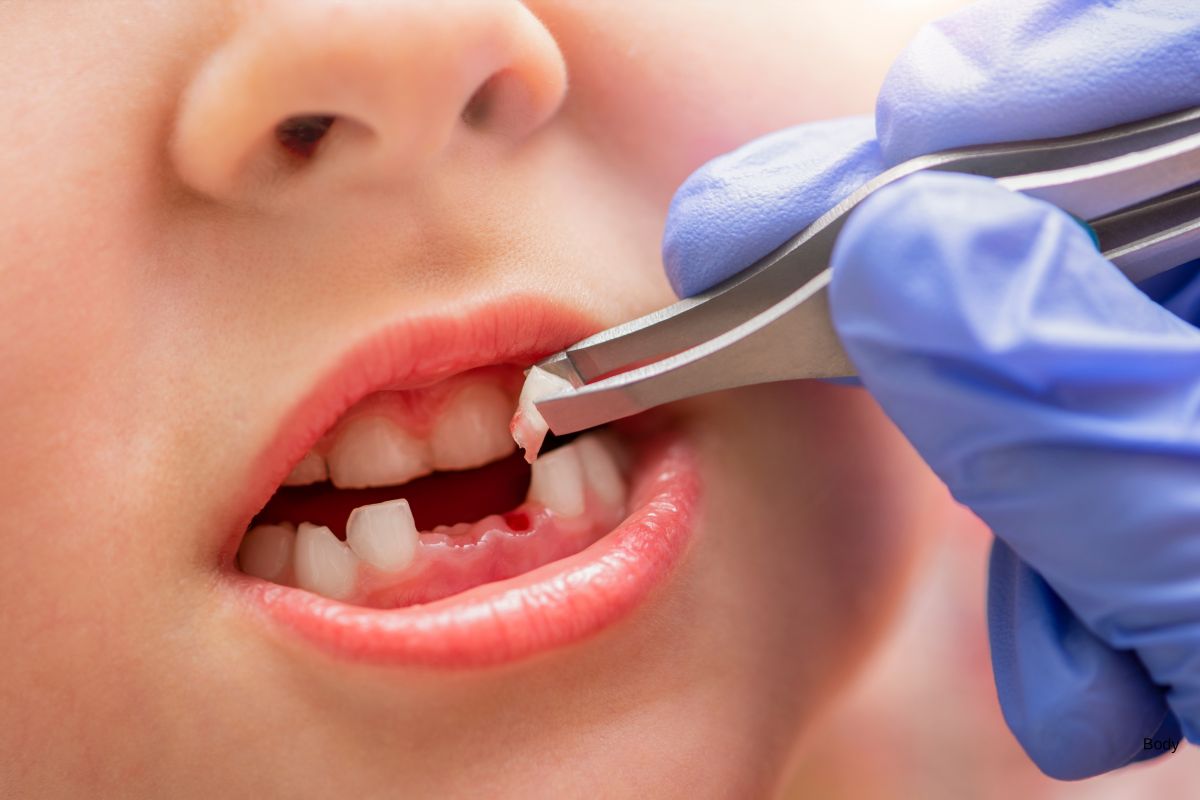
What to Do If Your Child Knocks Out a Tooth
Accidents happen, and when it comes to children, dental emergencies are not uncommon. One of the most alarming situations parents can face is when a child knocks out a tooth. Knowing what to do in such a stressful moment can make a significant difference in saving the tooth and ensuring your child’s oral health remains intact. This guide will walk
Accidents happen, and when it comes to children, dental emergencies are not uncommon. One of the most alarming situations parents can face is when a child knocks out a tooth. Knowing what to do in such a stressful moment can make a significant difference in saving the tooth and ensuring your child’s oral health remains intact. This guide will walk you through the steps you should take if your child experiences this kind of dental emergency.
Understanding Dental Emergencies in Children
Children are active, adventurous, and sometimes accident-prone. Whether it’s a fall from a bike, a rough game of sports, or an accidental bump on the playground, dental injuries can happen in an instant. A knocked-out tooth, also known as a dental avulsion, is a serious situation that requires immediate attention. Acting quickly can improve the chances of saving the tooth, especially if it’s a permanent one.
Immediate Steps to Take When a Tooth is Knocked Out
When a tooth is knocked out, the first few minutes are critical. Here’s what you should do right away:
- Stay Calm and Assess the Situation
It’s easy to panic when your child is in pain, but staying calm is essential. Quickly check the injury to see if it’s a baby tooth or a permanent one. If you’re unsure, look for adult teeth—permanent teeth are usually larger and have more defined edges compared to baby teeth. - Find the Tooth
If possible, locate the knocked-out tooth immediately. Pick it up by the crown (the white part that you see when you smile), not the root. Handling the root can damage the cells needed for reattachment. - Rinse the Tooth Gently
If the tooth is dirty, rinse it gently with milk or saline solution. Avoid scrubbing the tooth or using soap or any chemicals, as this can harm the delicate root cells. Do not dry the tooth or wrap it in a tissue or cloth. - Try to Reinsert the Tooth
For permanent teeth, try to place the tooth back into the socket. Have your child gently bite down on a clean piece of cloth or gauze to hold the tooth in place. If this is too painful or doesn’t work, don’t force it—keep the tooth moist. - Keep the Tooth Moist
If you can’t reinsert the tooth, keep it moist by placing it in a container with milk or your child’s saliva. If neither is available, use water, but only as a last resort. The moisture is crucial for keeping the tooth viable. - Contact Your Pediatric Dentist Right Away
Seek immediate dental care. Time is critical—ideally, the tooth should be re-implanted within 30 minutes to an hour for the best chance of success. Contact your pediatric dentist in Watkinsville as soon as possible to inform them of the situation.
What to Expect at the Dentist’s Office
When you arrive at the dental office, the dentist will evaluate the injury and decide the best course of action. If it’s a baby tooth, it might not be reinserted, as forcing it back could damage the developing permanent tooth underneath. However, if it’s a permanent tooth, reimplantation will be the goal.
The dentist will clean the area, possibly use a splint to hold the tooth in place, and may prescribe medication to prevent infection. Follow-up visits will be necessary to monitor the tooth’s healing and to ensure it is securely reattached.
Preventing Future Dental Accidents
While accidents can’t always be avoided, there are steps you can take to minimize the risk of dental injuries in children:
- Use Mouthguards During Sports
Mouthguards are a must for kids who participate in sports. They provide a cushion that helps protect teeth from impact, significantly reducing the risk of knocked-out teeth. - Childproof Your Home
Secure furniture, cover sharp corners, and keep floors clear of tripping hazards. Simple changes can make your home safer and help prevent accidental falls. - Encourage Safe Play
Teach your child about the importance of safe play. Remind them to avoid pushing or shoving, especially on playground equipment or when playing sports. - Regular Dental Check-ups
Regular visits to a pediatric dentist help ensure your child’s teeth are healthy and strong. The dentist can provide additional tips tailored to your child’s needs and lifestyle.
The Importance of Timely Dental Care
Seeking prompt dental care is crucial when a tooth is knocked out. The faster you act, the better the chances of saving the tooth and preventing further complications. Pediatric dentists are specially trained to handle dental emergencies in children, providing care that is both effective and gentle.
If you’re looking for a pediatric dentist in Watkinsville who understands the urgency of such situations, finding a trusted dental provider can give you peace of mind knowing your child is in good hands. Timely intervention and expert care can make all the difference in preserving your child’s smile.
Final Thoughts
Dental emergencies can be frightening, but knowing what to do can help you manage the situation with confidence. From quick actions at home to seeking professional care from a pediatric dentist, each step plays a vital role in protecting your child’s dental health. By staying informed and prepared, you can ensure your child receives the best care possible during a dental emergency.
Remember, prevention is key, and regular dental check-ups can help keep your child’s teeth healthy and strong. If you ever face a dental emergency, don’t hesitate to contact a pediatric dentist who can provide the immediate care your child needs.


